
2. Wojna światowa Online Bezpłatne PL

Biuro Poszukiwań i Identyfikacji IPN – poszukiwanie i identyfikacja ofiar totalitaryzmów
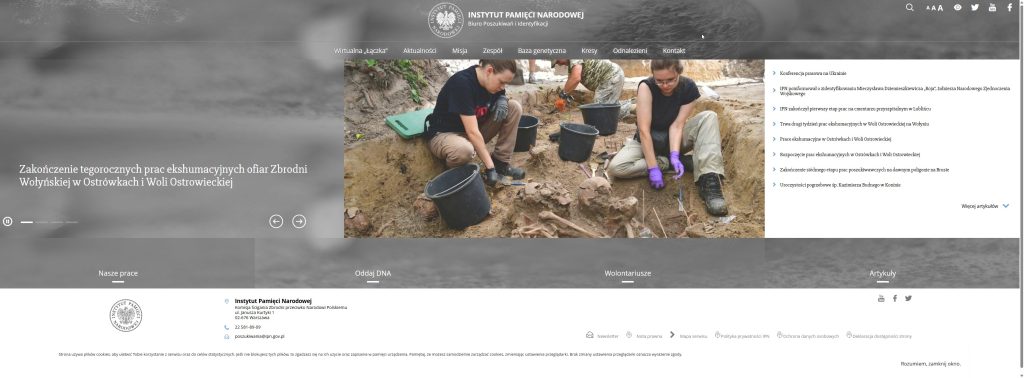
Portal Poszukiwania IPN jest serwisem Biura Poszukiwań i Identyfikacji Instytutu Pamięci Narodowej. Jego głównym zadaniem jest prezentowanie działań związanych z odnajdywaniem nieznanych miejsc pochówku oraz identyfikacją ofiar systemów totalitarnych i czystek etnicznych. Jest to szczególnie wartościowe źródło dla rodzin osób, których los lub miejsce pochówku przez wiele lat pozostawały nieznane.

Biuro Poszukiwań i Identyfikacji powstało w 2016 roku, jednak prace związane z poszukiwaniem miejsc pochówku ofiar reżimów totalitarnych IPN prowadził już wcześniej. Według informacji Instytutu wieloetapowe badania i ekshumacje prowadzone są od 2003 roku. Działania obejmują zarówno cmentarze, jak i miejsca znajdujące się poza oficjalnymi nekropoliami, w których potajemnie grzebano ofiary.

Misją Biura jest odnalezienie i identyfikacja ofiar systemów totalitarnych oraz czystek etnicznych. W realizacji tego zadania uczestniczą specjaliści z wielu dziedzin, między innymi archeolodzy, antropolodzy, historycy, archiwiści i genetycy. Prace terenowe poprzedzane są badaniami historycznymi i archiwalnymi, które mają pomóc ustalić prawdopodobne miejsce pochówku poszukiwanych osób.

Dla osób prowadzących badania genealogiczne szczególnie interesujący jest dział „Odnalezieni”. Zawiera on wykaz osób, których szczątki zostały odnalezione i zidentyfikowane w wyniku prac Instytutu Pamięci Narodowej. Poszczególne osoby prezentowane są z imienia i nazwiska, a ich profile mogą zawierać dodatkowe informacje dotyczące życia, działalności, okoliczności śmierci oraz odnalezienia szczątków.

Portal posiada własną wyszukiwarkę. Można za jej pomocą przeszukiwać artykuły, fotografie i inne pliki oraz materiały audio i wideo. Dostępne jest również wyszukiwanie zaawansowane pozwalające między innymi używać dokładnych wyrażeń, wykluczać określone słowa oraz ograniczać poszukiwania do wybranych działów serwisu.

W badaniach rodzinnych warto rozpocząć od wpisania imienia i nazwiska poszukiwanej osoby. Jeżeli nie przyniesie to rezultatu, można wyszukiwać nazwisko bez imienia, pseudonim konspiracyjny, nazwę miejscowości, jednostki wojskowej lub organizacji, z którą związany był przodek. Informacje o poszukiwanej osobie mogą bowiem znajdować się nie tylko w jej własnym biogramie, ale również w artykułach dotyczących innych osób lub prowadzonych prac poszukiwawczych.

Bardzo ważną częścią działalności Biura jest identyfikacja genetyczna odnalezionych szczątków. IPN prowadzi Bazę Materiału Genetycznego, w której przechowywane są profile DNA uzyskane ze szczątków ofiar oraz materiał porównawczy pobrany od ich żyjących krewnych. Baza została utworzona na podstawie nowelizacji ustawy o IPN z 2016 roku.

Do grudnia 2024 roku w Bazie Materiału Genetycznego zgromadzono ponad 4750 próbek. IPN wykorzystuje również system CODIS do analizy i porównywania materiału genetycznego. Pozwala on poszukiwać pokrewieństwa pomiędzy profilami DNA uzyskanymi z odnalezionych szczątków a materiałem przekazanym przez rodziny osób zaginionych.

Ma to szczególne znaczenie dla rodzin, które posiadają informacje o krewnym zamordowanym lub zaginionym, ale nie znają jego miejsca pochówku. Jeżeli IPN odnajdzie szczątki, porównanie DNA z materiałem pobranym od żyjących krewnych może umożliwić potwierdzenie tożsamości ofiary.

Biuro zachęca rodziny osób zaginionych do przekazywania informacji o żyjących krewnych, od których można pobrać materiał porównawczy DNA. Poszukiwane są również informacje od świadków historii dotyczące nieznanych i sekretnych miejsc pochówku w Polsce oraz na dawnych Kresach Wschodnich. Dotyczy to między innymi osób zaginionych w wyniku działań wojennych, egzekucji, represji reżimów totalitarnych oraz czystek etnicznych.

Osobnym obszarem działalności są poszukiwania na dawnych Kresach Wschodnich. W strukturze Biura działa Wydział Kresowy, a sam portal posiada osobny dział poświęcony tej tematyce. Ma to znaczenie dla rodzin poszukujących informacji o krewnych, którzy zginęli lub zaginęli na terenach znajdujących się obecnie poza granicami Polski.

Na stronie publikowane są również informacje o aktualnych i zakończonych pracach archeologicznych oraz ekshumacyjnych. Dzięki nim można sprawdzić, w jakich miejscowościach IPN prowadził badania, jakie szczątki odnaleziono oraz czy udało się ustalić tożsamość konkretnych osób.

Portal Poszukiwania IPN nie jest typową bazą genealogiczną zawierającą akty urodzeń, małżeństw i zgonów. Jego znaczenie dla genealogii jest jednak bardzo duże w przypadku rodzin dotkniętych wydarzeniami XX wieku. Może pomóc w badaniu losów żołnierzy podziemia niepodległościowego, ofiar niemieckiego i komunistycznego terroru, osób straconych i potajemnie pochowanych oraz innych ofiar systemów totalitarnych.

Szczególnie ważne jest to, że portal łączy badania historyczne i archiwalne z archeologią oraz współczesną genetyką. Pozwala to nie tylko odnaleźć dokument dotyczący zaginionego człowieka, ale w niektórych przypadkach doprowadzić do odnalezienia jego szczątków, potwierdzenia tożsamości i przekazania informacji rodzinie.

Jeżeli w rodzinnej historii występuje osoba, która podczas wojny lub w okresie powojennym została zamordowana, aresztowana albo zaginęła, a jej miejsce pochówku pozostaje nieznane, portal Biura Poszukiwań i Identyfikacji IPN powinien być jednym z miejsc sprawdzanych podczas dalszych poszukiwań.

Dodaj komentarz lub opinię

Twój adres e-mail nie zostanie opublikowany.

We use cookies to personalise content and ads, to provide social media features and to analyse our traffic. We also share information about your use of our site with our social media, advertising and analytics partners.
Cookies settings
Accept
Privacy & Cookie policy
Privacy & Cookies policy
Cookie name Active

Privacy Policy

What information do we collect?

We collect information from you when you register on our site or place an order. When ordering or registering on our site, as appropriate, you may be asked to enter your: name, e-mail address or mailing address.

What do we use your information for?

Any of the information we collect from you may be used in one of the following ways: To personalize your experience (your information helps us to better respond to your individual needs) To improve our website (we continually strive to improve our website offerings based on the information and feedback we receive from you) To improve customer service (your information helps us to more effectively respond to your customer service requests and support needs) To process transactions Your information, whether public or private, will not be sold, exchanged, transferred, or given to any other company for any reason whatsoever, without your consent, other than for the express purpose of delivering the purchased product or service requested. To administer a contest, promotion, survey or other site feature To send periodic emails The email address you provide for order processing, will only be used to send you information and updates pertaining to your order.

How do we protect your information?

We implement a variety of security measures to maintain the safety of your personal information when you place an order or enter, submit, or access your personal information. We offer the use of a secure server. All supplied sensitive/credit information is transmitted via Secure Socket Layer (SSL) technology and then encrypted into our Payment gateway providers database only to be accessible by those authorized with special access rights to such systems, and are required to?keep the information confidential. After a transaction, your private information (credit cards, social security numbers, financials, etc.) will not be kept on file for more than 60 days.

Do we use cookies?

Yes (Cookies are small files that a site or its service provider transfers to your computers hard drive through your Web browser (if you allow) that enables the sites or service providers systems to recognize your browser and capture and remember certain information We use cookies to help us remember and process the items in your shopping cart, understand and save your preferences for future visits, keep track of advertisements and compile aggregate data about site traffic and site interaction so that we can offer better site experiences and tools in the future. We may contract with third-party service providers to assist us in better understanding our site visitors. These service providers are not permitted to use the information collected on our behalf except to help us conduct and improve our business. If you prefer, you can choose to have your computer warn you each time a cookie is being sent, or you can choose to turn off all cookies via your browser settings. Like most websites, if you turn your cookies off, some of our services may not function properly. However, you can still place orders by contacting customer service. Google Analytics We use Google Analytics on our sites for anonymous reporting of site usage and for advertising on the site. If you would like to opt-out of Google Analytics monitoring your behaviour on our sites please use this link (https://tools.google.com/dlpage/gaoptout/)

Do we disclose any information to outside parties?

We do not sell, trade, or otherwise transfer to outside parties your personally identifiable information. This does not include trusted third parties who assist us in operating our website, conducting our business, or servicing you, so long as those parties agree to keep this information confidential. We may also release your information when we believe release is appropriate to comply with the law, enforce our site policies, or protect ours or others rights, property, or safety. However, non-personally identifiable visitor information may be provided to other parties for marketing, advertising, or other uses.

Registration

The minimum information we need to register you is your name, email address and a password. We will ask you more questions for different services, including sales promotions. Unless we say otherwise, you have to answer all the registration questions. We may also ask some other, voluntary questions during registration for certain services (for example, professional networks) so we can gain a clearer understanding of who you are. This also allows us to personalise services for you. To assist us in our marketing, in addition to the data that you provide to us if you register, we may also obtain data from trusted third parties to help us understand what you might be interested in. This ‘profiling’ information is produced from a variety of sources, including publicly available data (such as the electoral roll) or from sources such as surveys and polls where you have given your permission for your data to be shared. You can choose not to have such data shared with the Guardian from these sources by logging into your account and changing the settings in the privacy section. After you have registered, and with your permission, we may send you emails we think may interest you. Newsletters may be personalised based on what you have been reading on theguardian.com. At any time you can decide not to receive these emails and will be able to ‘unsubscribe’. Logging in using social networking credentials If you log-in to our sites using a Facebook log-in, you are granting permission to Facebook to share your user details with us. This will include your name, email address, date of birth and location which will then be used to form a Guardian identity. You can also use your picture from Facebook as part of your profile. This will also allow us and Facebook to share your, networks, user ID and any other information you choose to share according to your Facebook account settings. If you remove the Guardian app from your Facebook settings, we will no longer have access to this information. If you log-in to our sites using a Google log-in, you grant permission to Google to share your user details with us. This will include your name, email address, date of birth, sex and location which we will then use to form a Guardian identity. You may use your picture from Google as part of your profile. This also allows us to share your networks, user ID and any other information you choose to share according to your Google account settings. If you remove the Guardian from your Google settings, we will no longer have access to this information. If you log-in to our sites using a twitter log-in, we receive your avatar (the small picture that appears next to your tweets) and twitter username.

Children’s Online Privacy Protection Act Compliance

We are in compliance with the requirements of COPPA (Childrens Online Privacy Protection Act), we do not collect any information from anyone under 13 years of age. Our website, products and services are all directed to people who are at least 13 years old or older.

Updating your personal information

We offer a ‘My details’ page (also known as Dashboard), where you can update your personal information at any time, and change your marketing preferences. You can get to this page from most pages on the site – simply click on the ‘My details’ link at the top of the screen when you are signed in.

Online Privacy Policy Only

This online privacy policy applies only to information collected through our website and not to information collected offline.

Your Consent

By using our site, you consent to our privacy policy.

Changes to our Privacy Policy

If we decide to change our privacy policy, we will post those changes on this page.
Save settings
Cookies settings